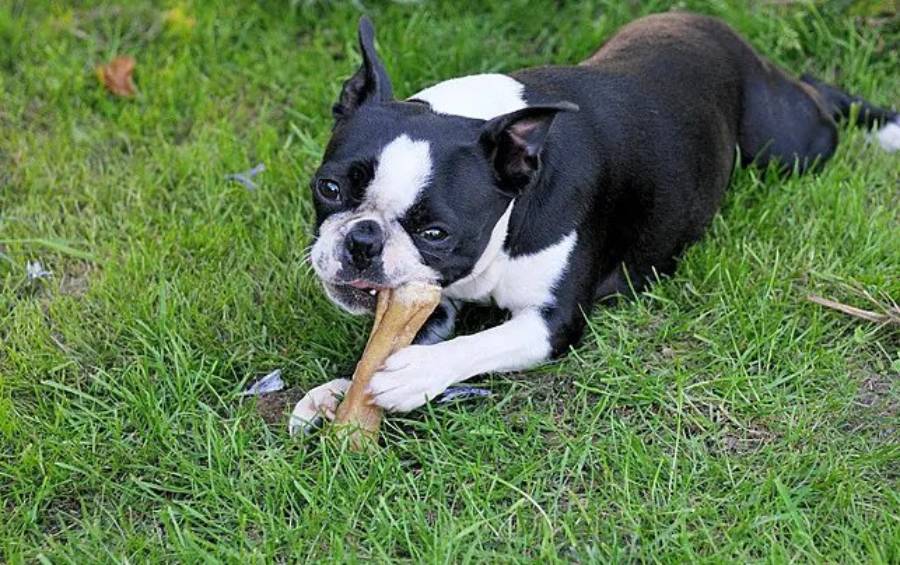
Why Do Boston Terriers Reverse Sneeze? Causes & Help
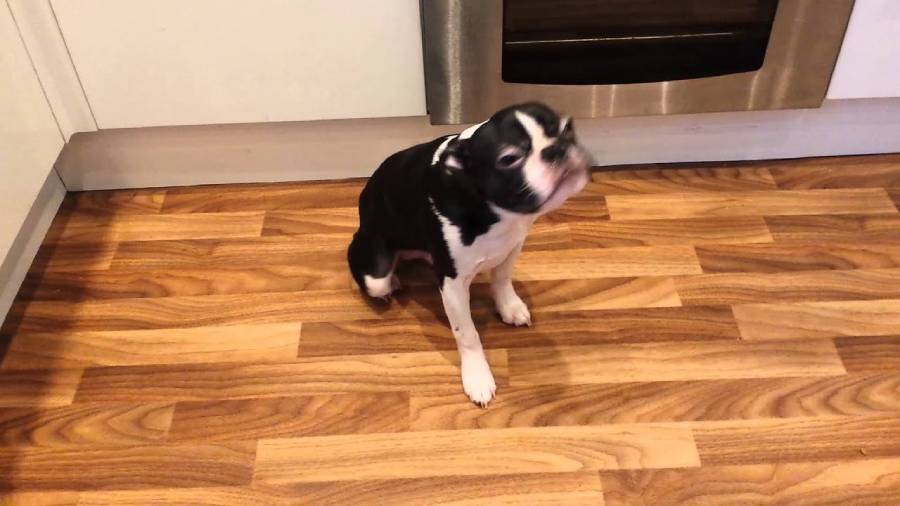
why do boston terriers reverse sneeze

Boston Terriers reverse sneeze when irritation in the nose, throat, or nasopharyngeal area triggers a reflex that causes rapid, repeated inhalations through the nose. During an episode, a Boston Terrier may suddenly stand still, extend its neck, and make loud snorting or honking sounds while repeatedly drawing air inward. The episode can look alarming, but … Read more

Why Do Boston Terriers Eat Grass? 5 Main Reasons

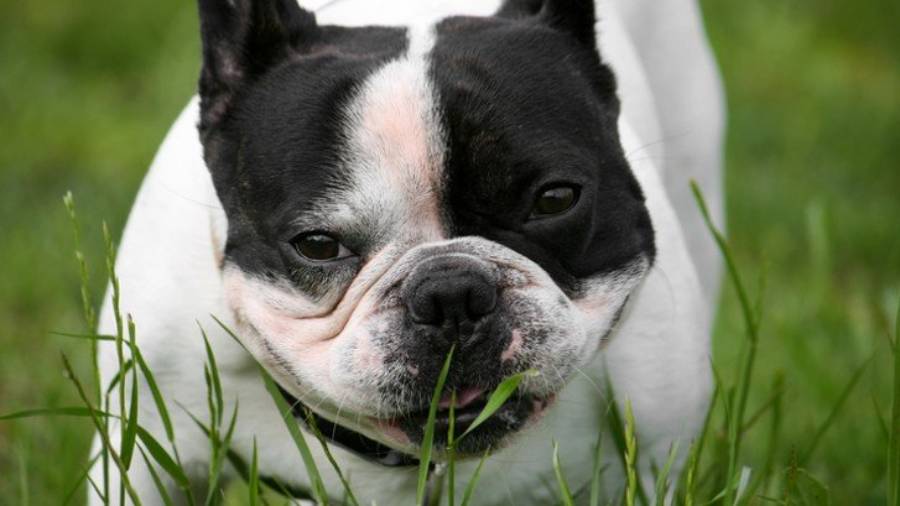
why do boston terriers eat grass

Boston Terriers eat grass for several reasons, including natural foraging behavior, hunger, boredom, dietary factors, and gastrointestinal discomfort. Occasional grass eating is generally not a cause for concern when a Boston Terrier continues to eat normally, stays active, and shows no persistent digestive symptoms. The behavior becomes more important to investigate when it suddenly increases, … Read more

Why Do Boston Terriers Chew Their Paws? 7 Causes

why do boston terriers chew their paws

Boston Terriers chew their paws mainly because their feet are itchy, irritated, painful, or uncomfortable. Common causes include allergies, yeast or bacterial infections, fleas and mites, skin irritation, paw injuries, and foreign objects lodged between the toes. Boredom, stress, and anxiety can also trigger repetitive licking or chewing, especially after physical causes have been ruled … Read more

Why Do Boston Terriers Dig? 8 Common Reasons

why do boston terriers dig

Boston Terriers dig because of natural instinct, boredom, excess energy, comfort-seeking, attention seeking, stress, interesting scents, or temperature-related behavior. Digging is not automatically a behavioral problem. The location, frequency, timing, and events surrounding the behavior help determine why a Boston Terrier is digging. There are 8 common reasons Boston Terriers dig. Some dogs scratch or … Read more

Boston Terrier vs Pug: What Are the Differences?

boston terrier vs pug

Boston Terriers and Pugs are small companion dogs with short muzzles, affectionate personalities, and strong bonds with their owners, but the two breeds differ in several important ways. The main differences between a Boston Terrier and a Pug are their body structure, coat, energy level, trainability, grooming requirements, and health considerations. Boston Terriers generally have … Read more

Why Do Boston Terriers Sleep Under Covers?

why do boston terriers sleep under covers

Boston Terriers sleep under covers mainly because blankets provide warmth, comfort, security, and closeness to their owners. Their short, fine coat provides less insulation than a thick double coat, so a warm blanket can create a comfortable sleeping environment, particularly in a cool bedroom or during colder weather. Once a Boston Terrier associates this enclosed … Read more

Why Do Boston Terriers Have Zoomies?

why do boston terriers have zoomies

Boston Terriers have zoomies because they need to release bursts of built-up energy and excitement. These sudden episodes of running, spinning, jumping, and rapidly changing direction are commonly called zoomies, while the behavioral term is Frenetic Random Activity Periods (FRAPs). A Boston Terrier may suddenly sprint around the living room after waking up, race through … Read more

Why Do Boston Terriers Stare at You? 8 Reasons

why do boston terriers stare at you

Boston Terriers stare at you mainly because eye contact is one of the ways they communicate their wants, expectations, and emotional state. A Boston Terrier may stare at its owner to seek attention, ask for food, initiate play, anticipate a daily routine, or communicate a specific need. Staring can also develop as a learned behavior … Read more

Why Do Boston Terriers Follow You Everywhere?

why do boston terriers follow you everywhere

Boston Terriers follow you everywhere mainly because they are companion dogs that form strong bonds with their owners. Staying close gives them access to attention, affection, play, food, and the daily activities they associate with you. This behavior can also become a learned habit when following you repeatedly leads to something rewarding. There are 6 … Read more