Can Boston Terriers Handle Hot Weather?

can boston terriers handle hot weather

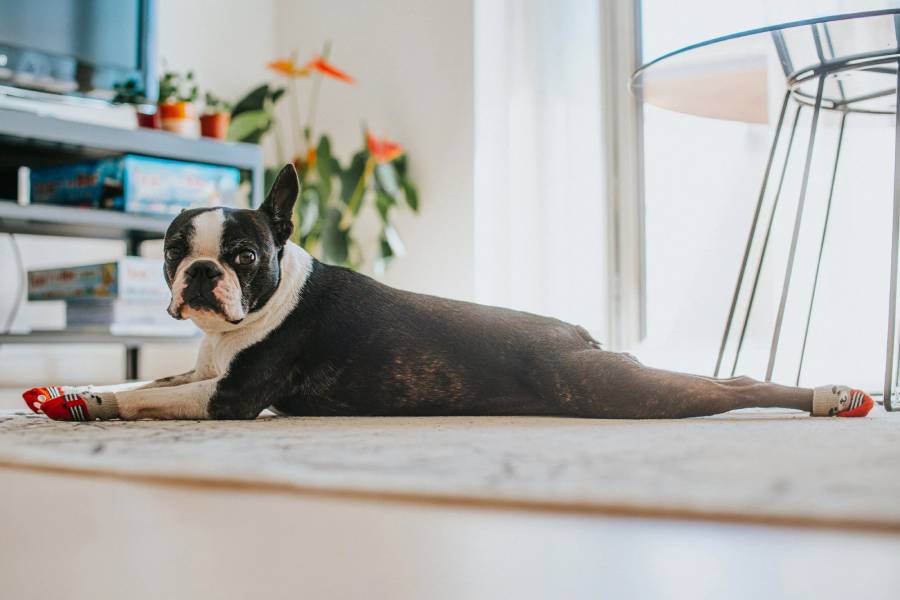
Boston Terriers do not handle hot weather particularly well because their short, flat faces make it harder to release body heat efficiently through panting. As a brachycephalic breed, a Boston Terrier has shortened airways compared with longer-muzzled dogs, which can limit airflow when breathing becomes faster during heat exposure or exercise. This makes overheating an … Read more

Can Boston Terriers Handle Cold Weather?

can boston terriers handle cold weather

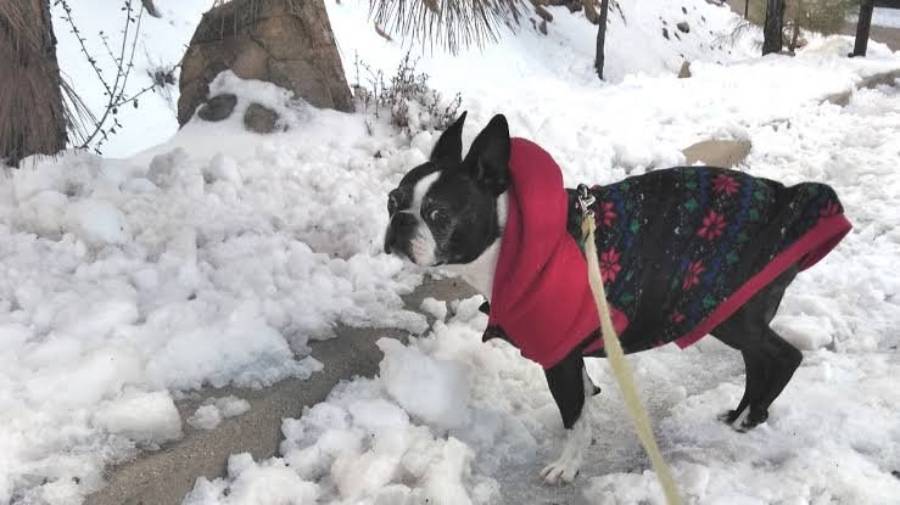
Boston Terriers can handle mildly cold weather for short periods, but they are not well suited to prolonged exposure to low temperatures. Their short, fine coat provides less insulation than the dense double coats of cold-weather breeds, so Boston Terriers can lose body heat relatively quickly when temperatures drop. Cold conditions become more challenging when … Read more

Can Boston Terriers Swim? Safety & Swimming Guide

can boston terriers swim

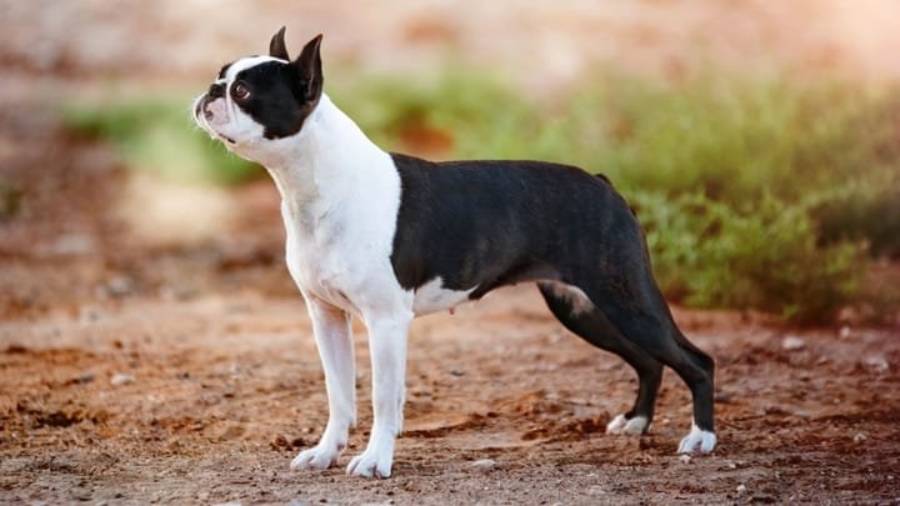
Boston Terriers can swim, but they are generally not strong swimmers and should always be closely supervised around water. Their short muzzle, compact body, and brachycephalic facial structure can make breathing and maintaining a stable position in the water more difficult, especially as they become tired. Being physically capable of paddling therefore does not mean … Read more

Boston Terrier Vomiting: Causes and What to Do

boston terrier vomiting

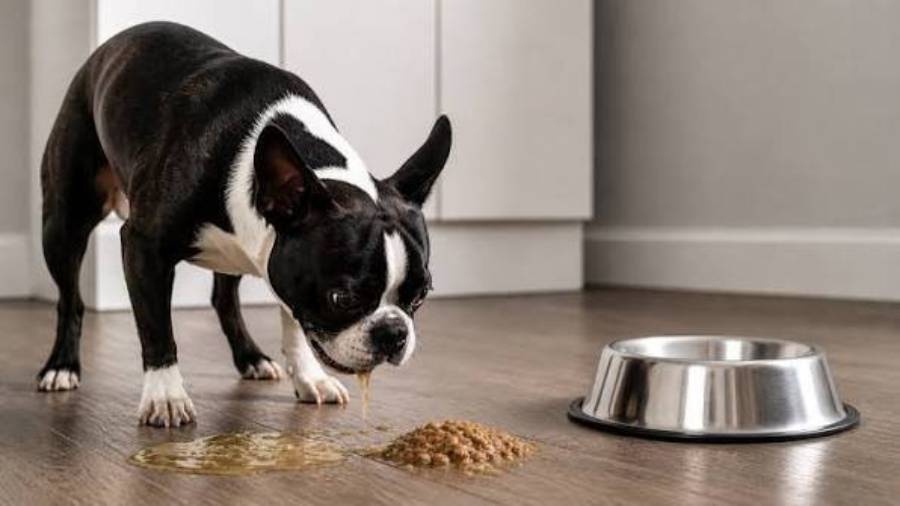
Boston Terrier vomiting can result from eating too fast, sudden diet changes, dietary indiscretion, food intolerance, gastrointestinal infections, parasites, foreign objects, toxin exposure, or an underlying health condition. A single episode is not always an emergency, especially when a Boston Terrier remains alert, eats normally, drinks water, and shows no other signs of illness. Repeated … Read more

Boston Terrier Diarrhea: Causes, Treatment & Vet Signs

boston terrier diarrhea

Boston Terrier diarrhea can result from a sudden diet change, eating unfamiliar food, food intolerance, intestinal parasites, infections, stress, medications, or an underlying digestive disorder. A single loose stool is not always an emergency, especially when your Boston Terrier remains active, eats normally, and drinks water. Persistent or worsening diarrhea requires closer attention because repeated … Read more

Boston Terrier Dental Problems: Signs & Treatment

boston terrier dental problems

Boston Terriers can develop several dental problems, including periodontal disease, gingivitis, plaque and tartar buildup, crowded teeth, retained baby teeth, malocclusion, and damaged or infected teeth. These conditions range from mild gum inflammation to advanced disease that damages the tissues supporting the teeth. Detecting problems early is important because dental disease can cause persistent pain, … Read more

Boston Terrier Ear Infections: Signs, Causes & Treatment

boston terrier ear infections

Boston Terrier ear infections can cause itching, redness, head shaking, unusual discharge, bad odor, and pain around the affected ear. These signs indicate that the ear is irritated or inflamed, but symptoms alone cannot identify the exact cause. Bacteria and yeast can contribute to an active infection, while allergies, trapped moisture, excessive debris, parasites, foreign … Read more

Boston Terrier Hair Loss: Causes & Treatment

boston terrier hair loss

Boston Terrier hair loss can result from normal shedding, skin allergies, parasites, infections, hereditary alopecia, or underlying health conditions. Boston Terriers naturally shed some hair throughout the year, but visible bald spots, persistent coat thinning, or sudden hair loss are not typical shedding patterns and may require veterinary evaluation. The appearance of the affected area … Read more