Why Do Boston Terriers Fart So Much? 5 Main Causes
why do boston terriers fart so much

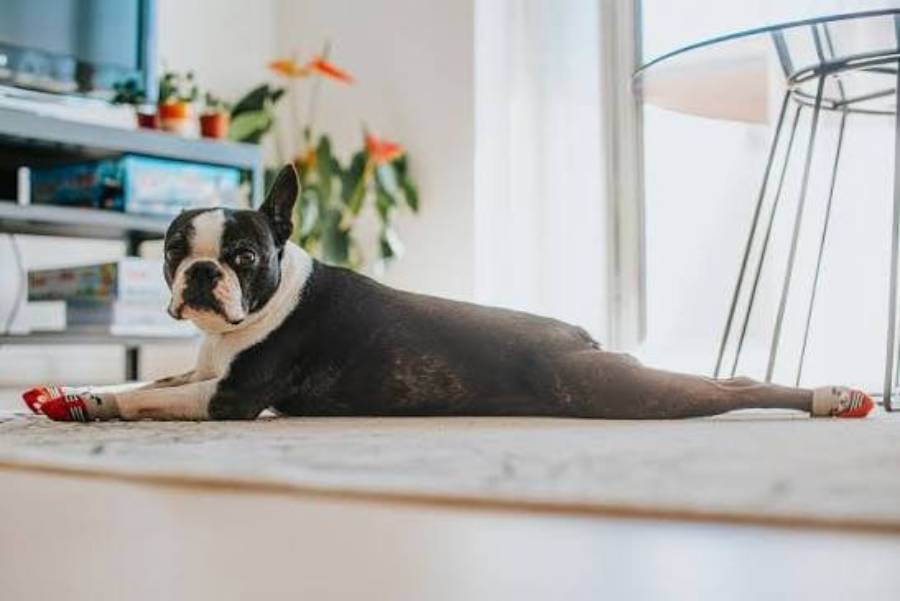
Boston Terriers fart so much mainly because their flat-faced anatomy can make them swallow more air while eating and breathing. Diet, eating too quickly, food intolerance, sudden food changes, and digestive problems can add to the amount of gas produced in the gastrointestinal tract. As a result, occasional farting can be a normal part of … Read more

Why Do Boston Terriers Snore? 7 Common Causes

why do boston terriers snore

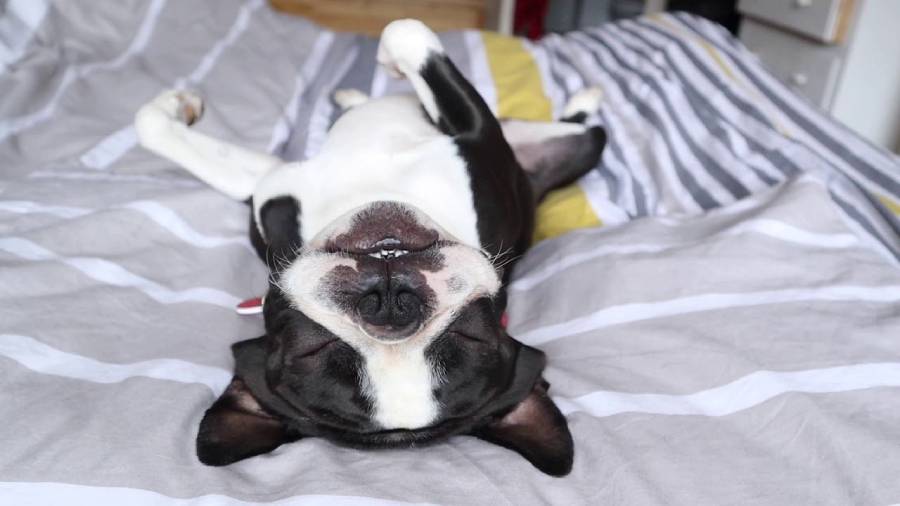
Boston Terriers snore mainly because their short, flat muzzles create less space for air to move through the upper airway. As a brachycephalic breed, Boston Terriers have compact facial structures that can include narrow nostrils, shortened nasal passages, and soft tissues that partially restrict airflow. When a Boston Terrier sleeps, relaxed tissues around the airway … Read more

Why Do Boston Terriers Shake? Causes & Warning Signs

why do boston terriers shake

Boston Terriers shake for several reasons, including cold temperatures, excitement, anxiety, fear, pain, and underlying health problems. Shaking is not automatically a sign that something is wrong. A Boston Terrier that trembles briefly when excited to see its owner or shivers after going outside in cold weather may stop once the trigger disappears. The context, … Read more

Why Do Boston Terriers Lick So Much? 8 Reasons

why do boston terriers lick so much

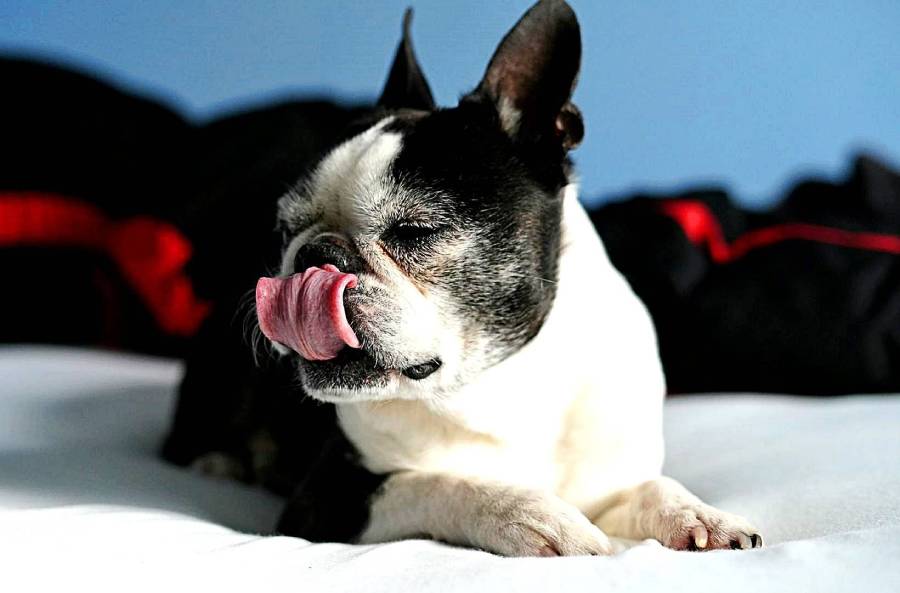
Boston Terriers lick for 8 main reasons: affection, attention, grooming, interesting tastes or smells, boredom, stress or anxiety, allergies, and physical discomfort. Occasional licking is a normal canine behavior, especially when a Boston Terrier licks its owner during social interaction or briefly grooms its body. Excessive licking deserves more attention when the behavior becomes persistent, … Read more

Boston Terrier Aging Signs: What Owners Should Know

boston terrier aging signs

Boston Terriers show several recognizable aging signs as they enter their senior years, including lower energy levels, reduced mobility, longer sleeping periods, changes in vision or hearing, graying around the muzzle, and changes in behavior. These changes can develop gradually as a Boston Terrier gets older, but sudden or severe changes should not automatically be … Read more

Boston Terrier Puppy Development: Birth to Adult

boston terrier puppy development

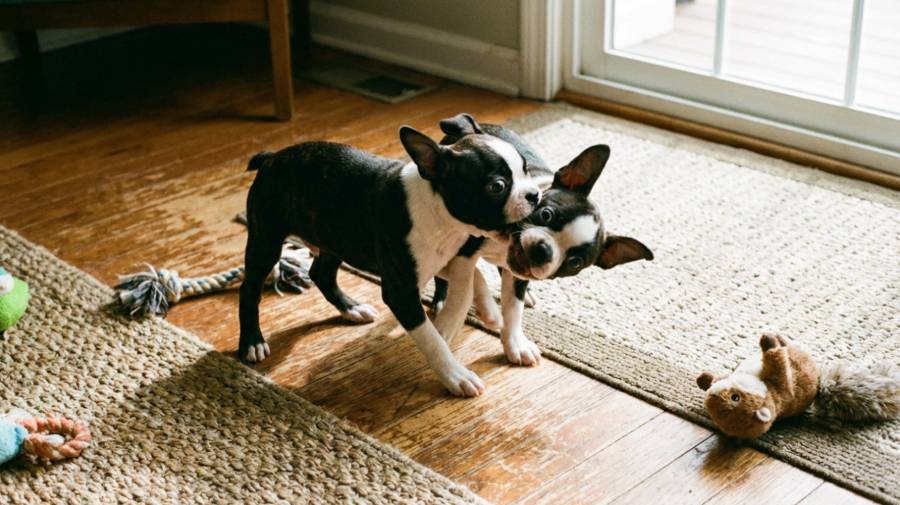
Boston Terrier puppies pass through several distinct developmental stages from birth to adulthood, with the most rapid physical and behavioral changes occurring during their first year. A newborn Boston Terrier is completely dependent on its mother, but within weeks, its eyes and ears open, mobility improves, and interaction with littermates begins. As the puppy grows, … Read more

How to Stop a Boston Terrier From Biting: 7 Steps

You can stop a Boston Terrier from biting by identifying what triggers the behavior, ending interaction after a bite, redirecting the dog to an appropriate chew toy, rewarding non-biting behavior, and teaching bite inhibition consistently. The correct response depends on why the biting occurs. A Boston Terrier puppy that mouths hands while teething requires a … Read more

Boston Terrier Tail Types: Shapes, Lengths & Care

boston terrier tail types

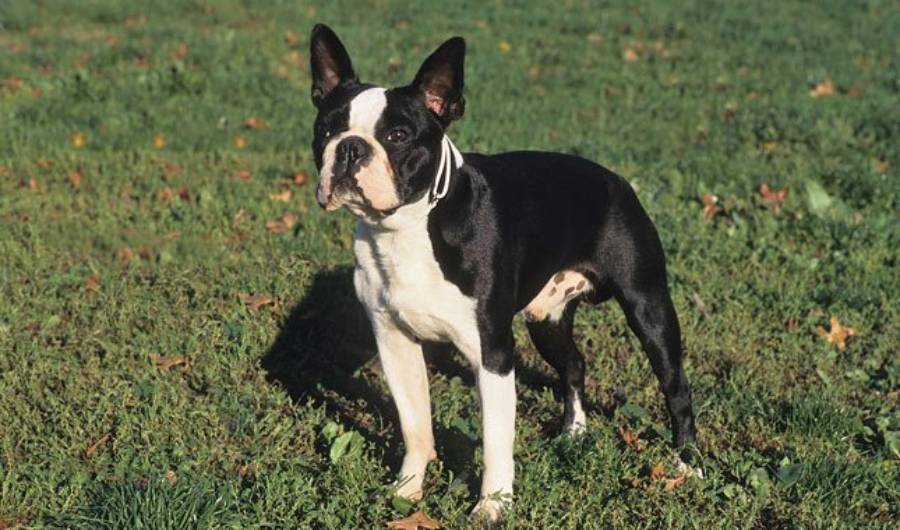
Boston Terriers can have several natural tail types, including straight, screw or corkscrew, crooked, and longer tails. Although the breed is known for its naturally short tail, tail shape and length vary between individual dogs. A Boston Terrier can therefore have a noticeably different tail from another Boston Terrier without the difference automatically indicating a … Read more

Boston Terrier Ear Types: Erect, Floppy & More

boston terrier ear types

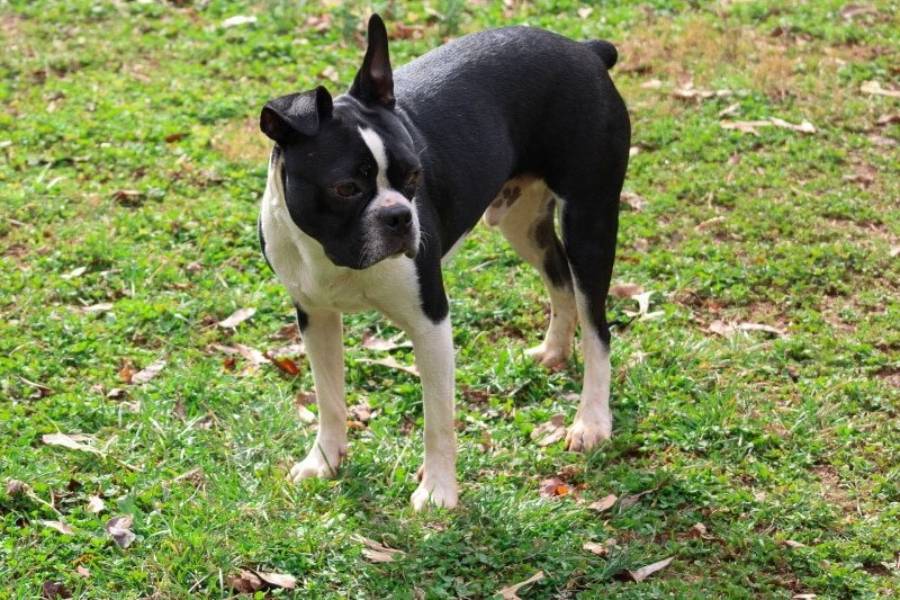
Boston Terriers typically have small, erect ears that sit upright on the top corners of the skull, but individual dogs can show different ear shapes during development. Boston Terrier puppies may have floppy, partially erect, or uneven ears before the cartilage becomes firm enough to support an upright position. Some adult Boston Terriers can also … Read more