Boston Terrier Skin Problems: Causes & Treatment

boston terrier skin problems

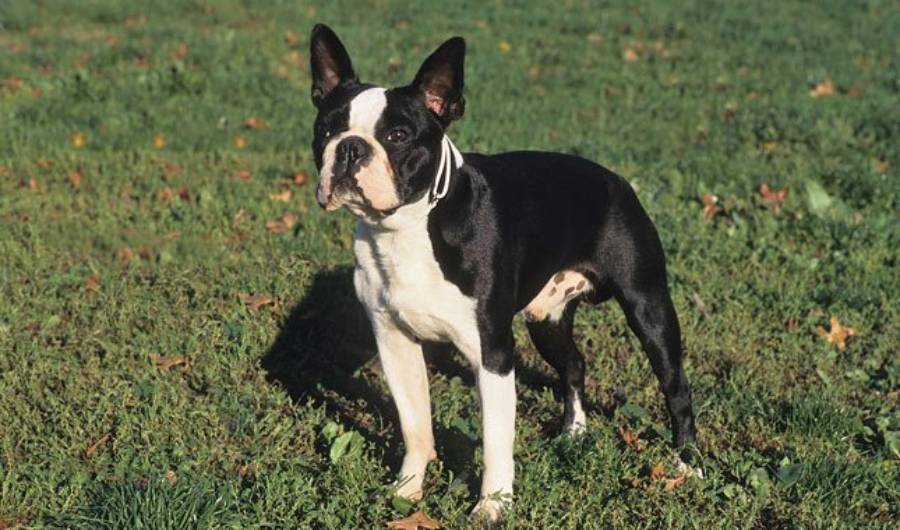
Boston Terriers can develop skin problems caused by allergies, bacterial or yeast infections, parasites, skin-fold irritation, and other underlying conditions. Common signs include persistent itching, scratching, red or inflamed skin, bumps, scabs, unusual odor, and hair loss. These symptoms can look similar even when their underlying causes are different, so identifying the visible problem is … Read more
Boston Terrier Breathing Problems: Causes & Treatment

boston terrier breathing problems

Boston Terriers are prone to breathing problems because their short, flat facial structure can restrict airflow through the upper airway. As a brachycephalic breed, they may have narrowed nostrils, an elongated soft palate, or other structural abnormalities associated with brachycephalic obstructive airway syndrome (BOAS). These abnormalities increase resistance to airflow, so affected dogs must work … Read more

Boston Terrier Eye Problems: Symptoms & Treatment

boston terrier eye problems

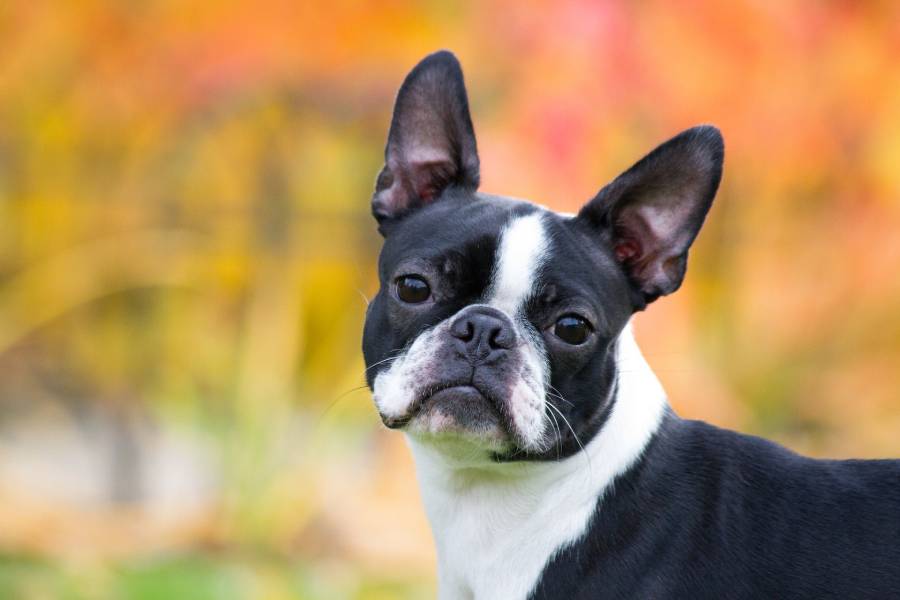
Boston Terriers are prone to several eye problems, including corneal ulcers, cataracts, glaucoma, dry eye, cherry eye, and conjunctivitis. Their large, prominent eyes are more exposed than deeply set eyes, making the eye surface vulnerable to scratches, debris, irritation, and other injuries. Some conditions primarily cause discomfort, while others can damage the eye or affect … Read more

Boston Terrier Separation Anxiety: Signs & Solutions

boston terrier separation anxiety

Boston Terriers can develop separation anxiety when being apart from their owners triggers significant stress or distress. Common signs include persistent barking or whining, pacing, destructive behavior, house soiling, excessive panting, and attempts to escape after the owner leaves. However, unwanted behavior while home alone does not automatically mean a Boston Terrier has separation anxiety. … Read more

Why Do Boston Terriers Snort? Causes & Warning Signs

why do boston terriers snort

Boston Terriers snort mainly because their short, flat faces affect how air moves through the nose and upper airway. As a brachycephalic breed, Boston Terriers have compact facial structures that can create greater resistance to airflow. When air moves through these relatively narrow spaces, it can cause vibrations and turbulence that produce the characteristic snorting … Read more

Why Do Boston Terriers Reverse Sneeze? Causes & Help

why do boston terriers reverse sneeze

Boston Terriers reverse sneeze when irritation in the nose, throat, or nasopharyngeal area triggers a reflex that causes rapid, repeated inhalations through the nose. During an episode, a Boston Terrier may suddenly stand still, extend its neck, and make loud snorting or honking sounds while repeatedly drawing air inward. The episode can look alarming, but … Read more

Why Do Boston Terriers Fart So Much? 5 Main Causes

why do boston terriers fart so much

Boston Terriers fart so much mainly because their flat-faced anatomy can make them swallow more air while eating and breathing. Diet, eating too quickly, food intolerance, sudden food changes, and digestive problems can add to the amount of gas produced in the gastrointestinal tract. As a result, occasional farting can be a normal part of … Read more

Why Do Boston Terriers Snore? 7 Common Causes

why do boston terriers snore

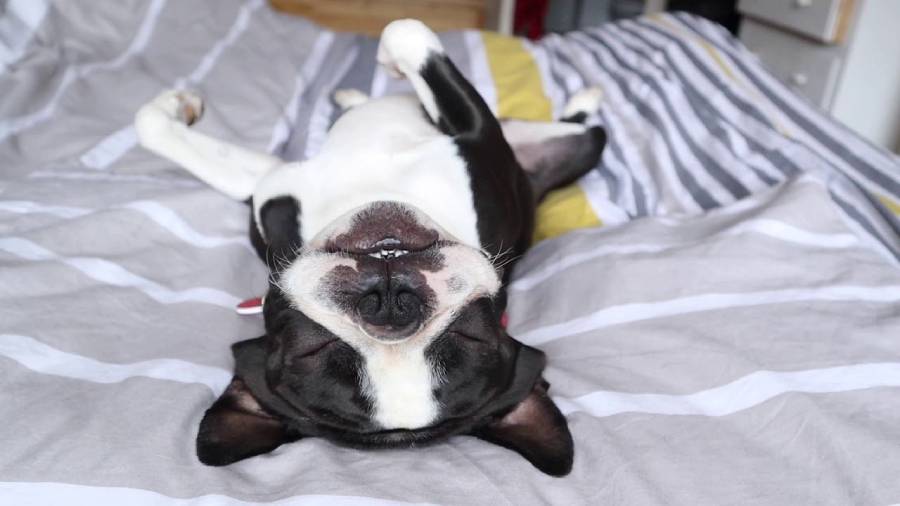
Boston Terriers snore mainly because their short, flat muzzles create less space for air to move through the upper airway. As a brachycephalic breed, Boston Terriers have compact facial structures that can include narrow nostrils, shortened nasal passages, and soft tissues that partially restrict airflow. When a Boston Terrier sleeps, relaxed tissues around the airway … Read more

Boston Terrier Aging Signs: What Owners Should Know

boston terrier aging signs

Boston Terriers show several recognizable aging signs as they enter their senior years, including lower energy levels, reduced mobility, longer sleeping periods, changes in vision or hearing, graying around the muzzle, and changes in behavior. These changes can develop gradually as a Boston Terrier gets older, but sudden or severe changes should not automatically be … Read more

Boston Terrier Ear Types: Erect, Floppy & More

boston terrier ear types

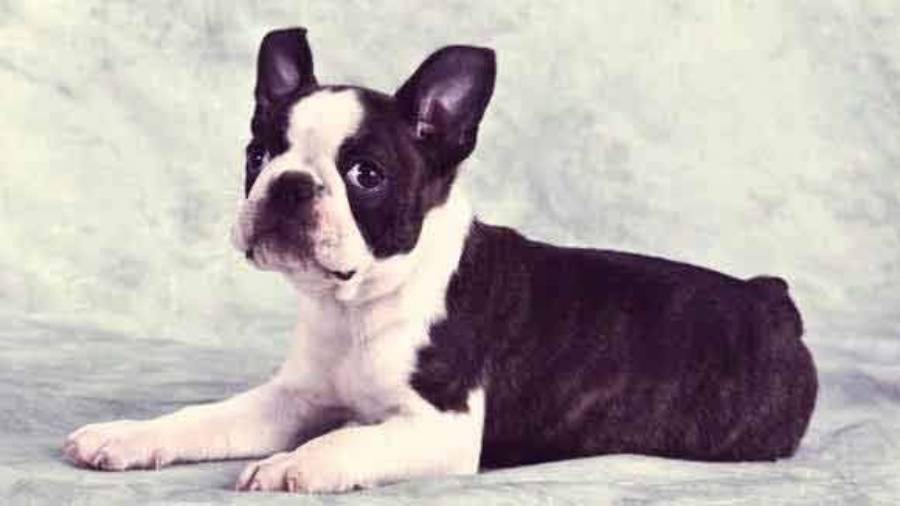
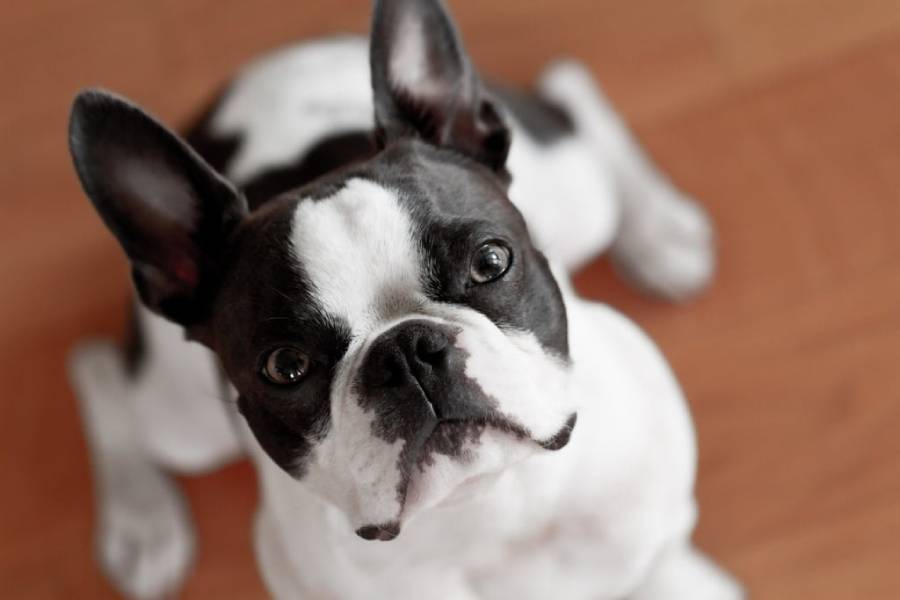
Boston Terriers typically have small, erect ears that sit upright on the top corners of the skull, but individual dogs can show different ear shapes during development. Boston Terrier puppies may have floppy, partially erect, or uneven ears before the cartilage becomes firm enough to support an upright position. Some adult Boston Terriers can also … Read more