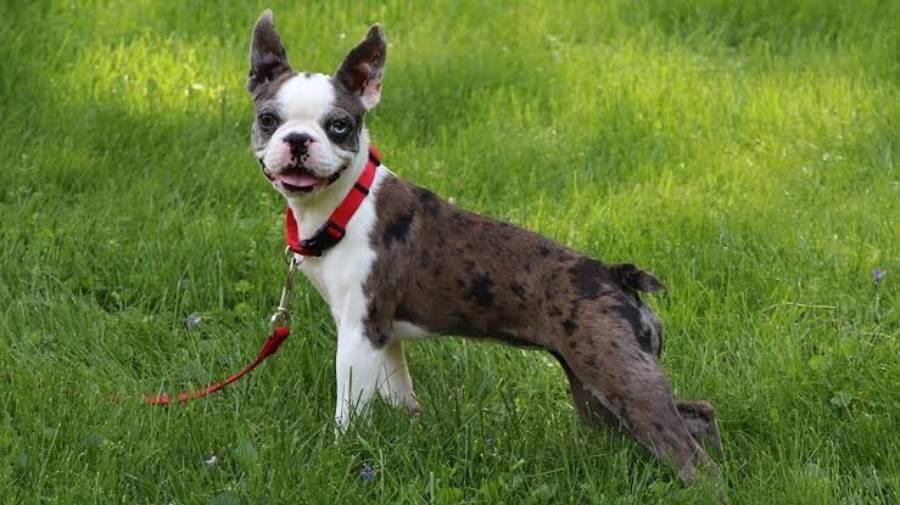
Boston Terriers can develop dirt and moisture in their facial folds, so cleaning each wrinkle gently and drying it thoroughly helps keep the folded skin clean and comfortable. Use a soft cloth, cotton pad, or dog-safe facial wipe to remove tear residue, food particles, saliva, and other debris. After cleaning, use a separate dry cloth or pad to remove moisture left inside each fold.
Wrinkle cleaning is more than wiping the visible surface of your Boston Terrier’s face. Moisture and debris can remain between skin folds where airflow is limited. Leaving these areas damp can contribute to odor and skin irritation, while aggressive rubbing or unsuitable cleaning products can irritate sensitive facial skin. A consistent routine should therefore include inspecting the folds, cleaning them when needed, drying them completely, and monitoring the skin for changes.
This guide explains what you need to clean Boston Terrier wrinkles, how to clean and dry each facial fold step by step, and how often the routine should be performed. It also covers why wrinkles become dirty or smelly, how to keep them dry, which changes may indicate a skin problem, and when a veterinarian should examine your Boston Terrier.
What Do You Need to Clean Boston Terrier Wrinkles?
You need a soft cleaning material, a dog-safe cleaning solution when necessary, and a separate dry cloth or pad to clean Boston Terrier wrinkles. The cleaning material removes moisture and debris from between the facial folds, while the dry material removes residual moisture after cleaning. Preparing both before you begin makes it easier to clean each wrinkle without leaving the skin damp.
A soft cloth, gauze pad, or cotton pad works well for physically removing visible dirt, tear residue, saliva, and food particles. The material should be soft enough to move across facial skin without abrasive rubbing. Use a clean section of the cloth or a new pad when the existing surface becomes dirty, especially when cleaning multiple folds. Avoid inserting cotton swabs or other narrow objects deep into a wrinkle because they can make it harder to control the pressure applied to the skin.
Lukewarm water is sufficient for light cleaning when the folds contain minor surface debris. A dog-safe facial or wrinkle wipe can also be used when its directions specifically allow application around a dog’s facial folds. Products intended for human skin should not automatically be treated as safe alternatives. Baby wipes, fragranced wipes, alcohol-based products, and regular human soaps may contain ingredients that are unsuitable for sensitive canine facial skin or the area surrounding the eyes and nose.
A separate clean, dry cloth, gauze pad, or cotton pad is necessary after the wrinkle has been cleaned. Drying is an essential part of Boston Terrier wrinkle care because cleaning can introduce additional moisture into an area with limited airflow. Gently blot the fold until the skin is dry rather than repeatedly rubbing it. The same principle applies after bathing or whenever your Boston Terrier’s facial folds become wet.
You should also inspect the skin before applying any cleaning product. Redness, swelling, discharge, bleeding, damaged skin, or obvious pain changes the situation from routine grooming to a potential skin problem. Cleaning products should not be used as a substitute for veterinary evaluation when a wrinkle already shows persistent or severe abnormalities.
How Do You Clean Boston Terrier Wrinkles Step by Step?
Clean Boston Terrier wrinkles in 5 steps: inspect the folds, prepare a soft cleaning material, wipe each fold gently, remove loosened debris, and dry the skin thoroughly. Work on one facial fold at a time so you can see what has been cleaned and identify redness, moisture, odor, or other changes that may require closer attention.
Start by placing your Boston Terrier in a comfortable, stable position and checking the facial folds under adequate light. Look at the skin before cleaning rather than immediately wiping it. This inspection helps distinguish ordinary dirt or tear residue from abnormalities such as persistent redness, swelling, discharge, bleeding, or damaged skin. Keep the cleaning and drying materials within reach so you do not need to leave the dog’s face wet while looking for supplies.
Moisten a soft cloth, gauze pad, or cotton pad with lukewarm water, or use a dog-safe facial wipe according to its directions. The material should be damp enough to collect debris without leaving excessive liquid inside the wrinkle. Approach the face calmly and avoid allowing cleaning liquid to run toward the eyes, nostrils, or mouth.
How Do You Wipe Between a Boston Terrier’s Facial Folds?
Wipe between a Boston Terrier’s facial folds by gently exposing each accessible fold and moving a soft cleaning material across the skin without aggressive rubbing. The objective is to lift accumulated material from the fold rather than scrub the skin. Apply only enough pressure to remove visible residue while keeping your Boston Terrier comfortable.
Clean one fold at a time and pay attention to areas where tears, saliva, food residue, or environmental debris collect. When a pad or section of cloth becomes dirty, switch to a clean surface instead of repeatedly moving the same debris across the face. A second gentle pass can be used when visible residue remains after the first wipe.
Take additional care around the eyes and nose. Do not push a cloth, cotton pad, or other object deeply into a fold that you cannot see clearly, and do not scrub irritated skin in an attempt to remove discoloration. Stop the routine if your Boston Terrier shows clear pain or if cleaning reveals bleeding, significant swelling, discharge, or damaged skin.
How Do You Dry Boston Terrier Wrinkles After Cleaning?
Dry Boston Terrier wrinkles by gently blotting each cleaned fold with a separate clean, dry cloth, gauze pad, or cotton pad until no obvious moisture remains. Cleaning is not complete when debris has been removed; moisture introduced during the process also needs to be removed from the folded skin.
Use a blotting or patting motion rather than rubbing back and forth. Check the same accessible areas you cleaned and pay particular attention to deeper visible folds where moisture can remain after the outer surface looks dry. Replace a damp drying pad with a fresh one when necessary instead of continuing with material that can no longer absorb moisture effectively.
Finish by checking the folds once more. The skin should be clean and dry without new irritation caused by the cleaning process. This final inspection also gives you a baseline for noticing changes in odor, color, moisture, or sensitivity during future cleaning sessions.
How Often Should You Clean Boston Terrier Wrinkles?
Boston Terrier wrinkles should be inspected regularly and cleaned whenever moisture, tear residue, food particles, saliva, or visible debris accumulate inside the folds. There is no single cleaning frequency that fits every Boston Terrier because facial fold depth, tear production, activity, skin condition, and the amount of moisture trapped around the face differ between individual dogs.
Checking the wrinkles daily does not necessarily mean performing a complete cleaning every day. A quick inspection lets you identify dampness or debris before it remains trapped against the skin for an extended period. A Boston Terrier whose folds stay relatively clean and dry may need less frequent cleaning, while a dog that regularly develops tear residue or moisture between the folds may require more frequent attention. The condition of the fold should determine whether cleaning is necessary.
Clean the wrinkles after situations that leave the facial folds noticeably dirty or wet. For example, check the face after bathing, eating messy food, playing outdoors, or any activity that leaves moisture or debris between the folds. Drying may be all that is necessary when a fold is clean but damp. This distinction prevents unnecessary use of cleaning products when moisture removal alone addresses the immediate problem.
Daily cleaning is not automatically better. Over-cleaning or repeatedly rubbing the facial skin can contribute to irritation, particularly when harsh or unsuitable products are used. The goal is to maintain clean, dry folds without repeatedly disturbing healthy skin. A routine of regular inspection, cleaning when needed, and thorough drying provides a more practical approach than applying the same cleaning schedule regardless of the condition of the wrinkles.
A sudden need for much more frequent cleaning can also indicate a change worth investigating. Persistent moisture, recurring discharge, strong odor, redness, or irritation should not simply be managed by increasing the number of cleaning sessions. These changes can indicate an underlying skin or eye-related problem that requires veterinary assessment.
Why Do Boston Terrier Wrinkles Get Dirty?
Boston Terrier wrinkles get dirty because facial folds can trap moisture and organic debris such as tears, saliva, food residue, and environmental dirt. Unlike exposed areas of skin, the surfaces inside a fold remain in close contact with each other. This structure limits airflow and makes it easier for material deposited around the face to remain between the folds.
Tear residue is one source of buildup when moisture from around the eyes reaches nearby facial folds. Saliva and water can create similar damp areas around the muzzle, while small food particles may remain on the face after eating. Outdoor activity can add dust, dirt, pollen, or other environmental debris. These materials can combine rather than accumulating separately, which is why a wrinkle may feel damp and contain visible residue at the same time.
Moisture is particularly important because it can remain after the visible surface of the face appears dry. A Boston Terrier may develop damp folds after drinking, bathing, or having its face wiped with a wet cleaning material. The outer fur can dry while moisture remains between two skin surfaces. This is why cleaning without a drying step does not fully address facial fold hygiene.
The amount of buildup differs between individual Boston Terriers. Deeper or tighter folds can retain material differently from shallow folds, while tear production, eating habits, outdoor activity, and facial anatomy can change how quickly debris accumulates. Regular inspection allows owners to respond to the condition of their own dog’s folds instead of assuming every Boston Terrier requires exactly the same routine.
Why Do My Boston Terrier’s Wrinkles Smell?
Boston Terrier wrinkles can smell when moisture, skin oils, tears, saliva, food residue, and other debris remain trapped between the facial folds. A persistent or unusually strong odor deserves closer attention because odor accompanied by redness, discharge, swelling, discomfort, or damaged skin can indicate that the problem extends beyond routine dirt accumulation.
The environment inside a damp facial fold differs from an exposed area of skin. Two skin surfaces sit close together, airflow is restricted, and moisture can remain trapped. Organic material such as tears or food residue adds further buildup. This combination can create conditions that support increased microbial activity and irritation, making keeping the folds clean and dry an important part of routine care.
Cleaning may resolve an odor caused by ordinary surface buildup. Remove visible debris gently, dry the fold completely, and monitor the area afterward. Repeatedly applying scented products to cover the smell does not address retained moisture or the condition of the underlying skin and may expose sensitive facial skin to unnecessary ingredients.
Persistent odor should be evaluated together with other changes rather than treated as an isolated grooming issue. A wrinkle that repeatedly smells despite appropriate cleaning and drying, particularly when the skin is red, swollen, painful, or producing discharge, warrants veterinary attention. Increasing cleaning frequency alone may irritate already compromised skin without addressing the underlying cause.
How Can You Keep Boston Terrier Wrinkles Dry?
Keep Boston Terrier wrinkles dry by removing moisture after cleaning, bathing, drinking, and other activities that leave the facial folds wet. Use a clean, soft, absorbent cloth, gauze pad, or cotton pad to blot accessible folds gently. The goal is to remove moisture from between the skin surfaces rather than simply drying the fur around them.
Check the facial folds after every cleaning session because water or cleaning solution can remain inside a wrinkle even when the surrounding face looks dry. Use a separate dry material after cleaning and replace it when it becomes damp. Gently pat each accessible fold until there is no obvious moisture remaining. Avoid vigorous rubbing because friction can irritate sensitive facial skin.
Bathing is another situation in which the wrinkles require attention. Water can enter the folds while the face and body are being washed, so drying the coat alone may leave moisture trapped against the skin. Inspect and blot the facial folds separately after a bath. The same principle applies whenever rain, swimming, drinking, or another activity leaves your Boston Terrier’s face noticeably wet.
Recurring moisture should also be monitored rather than repeatedly wiped without considering its source. For example, a fold that becomes continuously wet from excessive tearing or discharge may require more than routine grooming. Persistent moisture combined with redness, odor, swelling, discomfort, or skin changes should be evaluated by a veterinarian rather than managed only through more frequent drying.
Keeping the wrinkles dry therefore depends on a simple routine: inspect the folds when the face becomes wet, remove moisture promptly, and monitor areas that repeatedly become damp. This approach complements cleaning by preventing water introduced during grooming or daily activities from remaining trapped inside the folds.
What Are the Signs of an Infected Boston Terrier Wrinkle?
Signs that a Boston Terrier wrinkle may have a skin problem include persistent redness, swelling, unpleasant odor, discharge, tenderness, damaged skin, and repeated scratching or face rubbing. These signs do not confirm an infection by themselves, but they indicate that the fold needs closer attention and may require veterinary assessment.
Redness is particularly important when it persists or becomes more pronounced rather than appearing briefly after normal handling. Healthy skin should not remain intensely red after gentle routine cleaning. Swelling, raw-looking skin, sores, bleeding, or visible skin damage are stronger reasons to stop routine cleaning and have the area assessed instead of repeatedly wiping it.
Discharge and persistent odor can also distinguish a possible skin problem from ordinary debris. A small amount of dirt or tear residue may be removed during normal cleaning, but recurring discharge or a strong smell that returns soon after the fold has been cleaned and dried suggests that simple surface buildup may not explain the problem. The surrounding skin should be checked for changes at the same time.
Your Boston Terrier’s behavior provides additional information. Repeatedly rubbing the face against furniture or the floor, scratching at the face, pulling away when a wrinkle is touched, or showing obvious discomfort during cleaning can indicate irritation or pain. These behavioral changes are especially relevant when they occur together with redness, swelling, odor, or discharge.
Do not attempt to identify the exact cause from appearance alone. Several skin conditions can produce overlapping signs, and treatment depends on the underlying problem. Routine wrinkle cleaning is intended to maintain healthy folds; it is not a substitute for diagnosing or treating infected, injured, or persistently inflamed skin.
Read more: How to Clean Boston Terrier Ears: Step-by-Step Guide
When Should You Take Your Boston Terrier to a Veterinarian for Wrinkle Problems?
Take your Boston Terrier to a veterinarian when a facial wrinkle develops persistent redness, swelling, discharge, bleeding, damaged skin, significant pain, a strong recurring odor, or a problem that repeatedly returns despite appropriate cleaning and drying. These changes go beyond the purpose of routine grooming and may require diagnosis and treatment.
Seek veterinary attention when the skin appears progressively worse instead of improving after the fold has been kept clean and dry. Persistent swelling, open sores, bleeding, or discharge should not be managed by scrubbing the area more frequently. Increased cleaning can add friction to already irritated skin and does not identify the underlying cause.
Pain is another reason to stop routine wrinkle cleaning and seek professional advice. A Boston Terrier that previously tolerated facial handling but suddenly pulls away, vocalizes, repeatedly scratches the area, or rubs its face may be experiencing discomfort. Pain combined with visible skin changes provides additional reason for veterinary assessment.
Recurring problems also deserve attention even when individual episodes appear mild. If the same wrinkle repeatedly becomes red, damp, smelly, or irritated despite a consistent cleaning and drying routine, a veterinarian can evaluate factors that routine grooming cannot address. Keeping track of when the problem appears and how frequently it returns can provide useful context during the examination.
Do not apply medications, antiseptics, medicated creams, or other treatments to a problematic facial fold unless they are appropriate for your dog and the location of the affected skin. The folds sit close to the eyes, nose, and mouth, making product selection particularly important. Veterinary guidance can determine whether the problem requires treatment beyond normal facial hygiene.
How Can You Prevent Boston Terrier Wrinkle Problems?
Prevent Boston Terrier wrinkle problems with a consistent four-part routine: inspect the folds, clean them when necessary, dry them thoroughly, and monitor the skin for changes. The purpose is not to clean the face as frequently as possible but to prevent moisture and debris from remaining inside the folds while avoiding unnecessary irritation.
Inspect your Boston Terrier’s wrinkles regularly for moisture, tear residue, food particles, dirt, redness, odor, or discharge. Routine inspection makes it easier to recognize what is normal for your dog and identify changes early. Check the folds again after bathing, messy meals, outdoor activities, or other situations that leave the face dirty or wet.
Clean visible buildup with a soft material and a dog-safe cleaning method rather than aggressive scrubbing. Use clean materials and avoid repeatedly wiping healthy skin without a reason. Products intended for humans should not automatically be used on facial folds because canine skin and the proximity of the eyes and nose require appropriate product selection.
Dry every cleaned or wet fold thoroughly. Moisture management is as important as debris removal because the surfaces inside a wrinkle receive less airflow than exposed skin. Use a clean absorbent material to blot the folds after cleaning, bathing, or whenever the face becomes wet.
Finally, monitor changes instead of trying to solve every recurring problem with additional cleaning. Persistent redness, swelling, discharge, pain, damaged skin, strong odor, or repeated irritation requires attention beyond routine grooming. Combining regular inspection with appropriate cleaning, thorough drying, and timely veterinary care provides a practical approach to maintaining healthy Boston Terrier facial folds.
1 thought on “How to Clean Boston Terrier Wrinkles Safely”